
Accreditation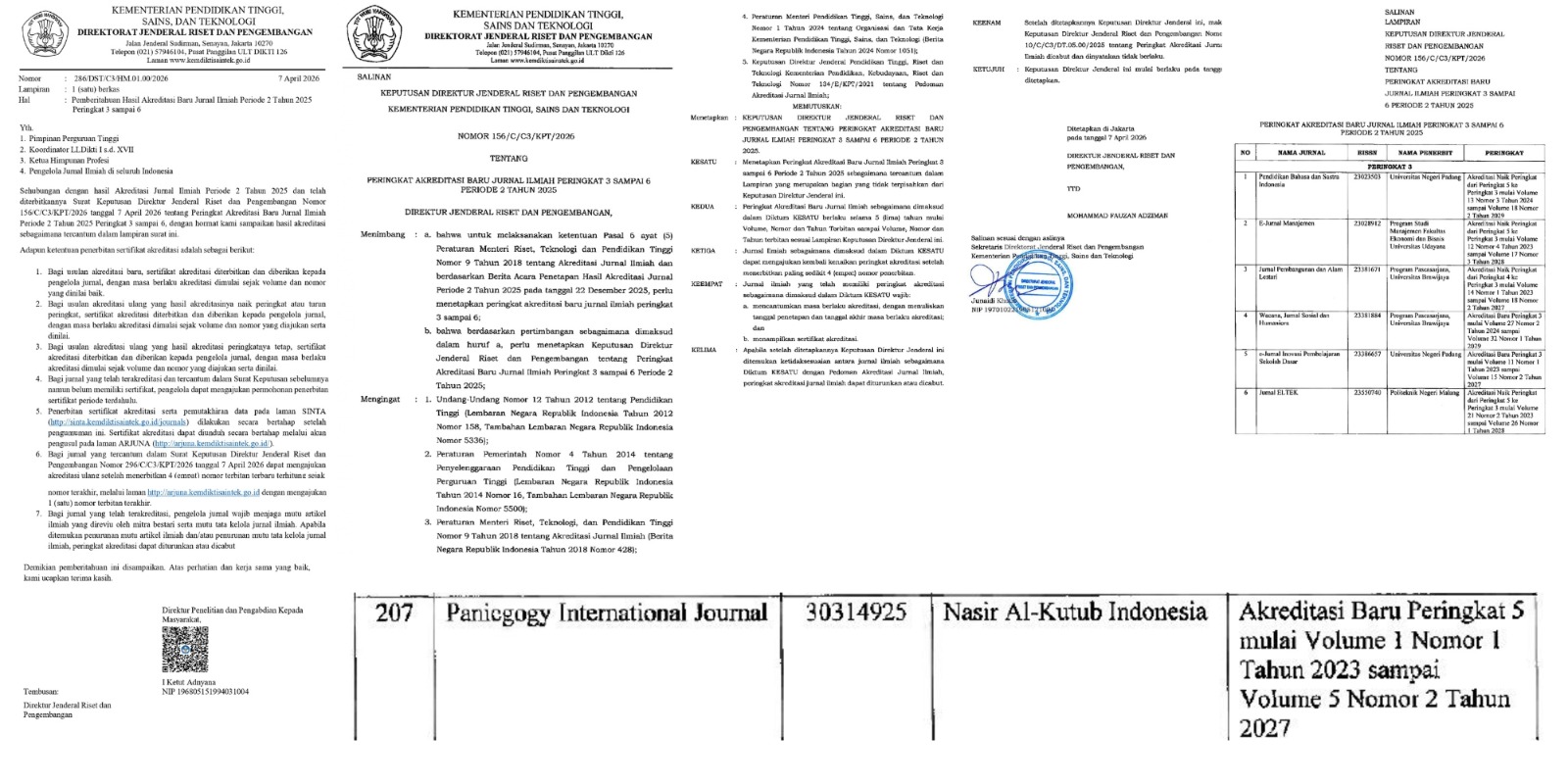
Vol. 4 No. 1 (2026): pij
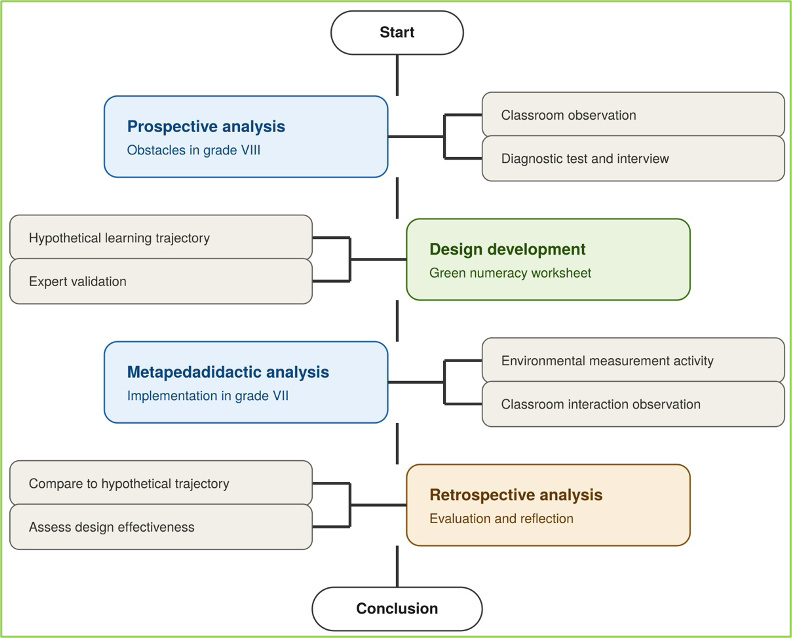
Volume 4, Issue 1 (2026) of the Panicgogy International Journal (PIJ), published March 30, 2026, presents seven research articles contributed by scholars from Indonesia, Saudi Arabia, Colombia, and Ghana, reflecting the journal's continued international collaboration in mathematics and general education research. This issue centers heavily on mathematics education, spanning instructional design, phenomenological inquiry into student experience, quasi-experimental interventions, and technology-assisted learning, alongside studies on early-childhood language development and digital pedagogy for character education. The lead article develops a trigonometry teaching module grounded in Project-Based Learning and local wisdom from Merangin Regency, applying the ADDIE model to boost higher-order thinking skills among senior secondary students. A hermeneutic phenomenological study explores the barriers behind students' weak mathematical critical thinking and the self-generated solutions they proposed, notably employing ChatGPT-assisted thematic analysis. Early-childhood development is addressed through a Vygotskian case study of peer-mediated speech scaffolding in a child with expressive delay, while digital pedagogy is examined through a study on how a South Sumatran folktale, recontextualized in a digital learning ecosystem, internalizes the Pancasila Student Profile among junior high school students. Three further studies apply quasi-experimental and didactical-design approaches to core mathematics topics: e-module-assisted Contextual Teaching and Learning improving communication ability and motivation on the Pythagorean Theorem; Realistic Mathematics Education's uneven effects on reasoning, communication, and self-efficacy in a Batam classroom; and a green-numeracy-based didactic design addressing learning obstacles in triangles and quadrilaterals at an Islamic junior high school. Collectively, the issue illustrates a strong cross-border research network anchored in Indonesian teacher-education institutions, combining culturally grounded instructional design, rigorous quasi-experimental methods, and emerging AI-assisted qualitative techniques to advance both mathematical and broader pedagogical practice.
Published:
2026-03-30
Articles
-
Project-based learning integrated with local wisdom: Developing a trigonometry teaching module to enhance hots of senior secondary students in Merangin Regency
- PDF | Views: 232 times | Download : 139 times
-
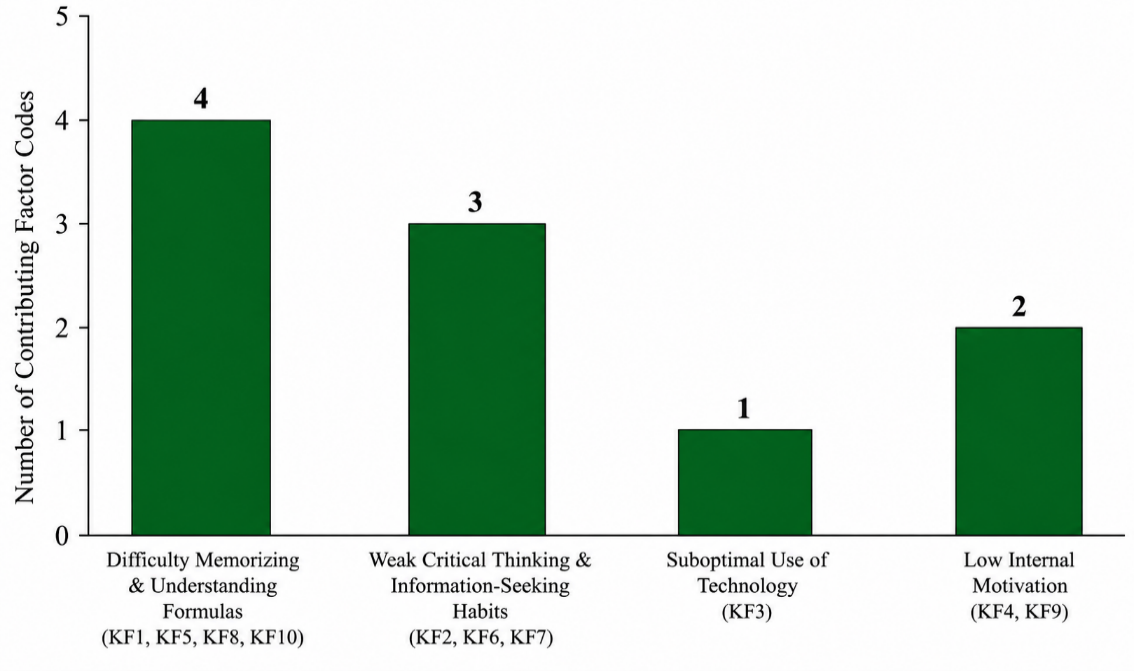
Exploring senior high school students’ mathematical critical thinking barriers and self-generated solutions: A hermeneutic phenomenological study
- PDF | Views: 170 times | Download : 55 times
-
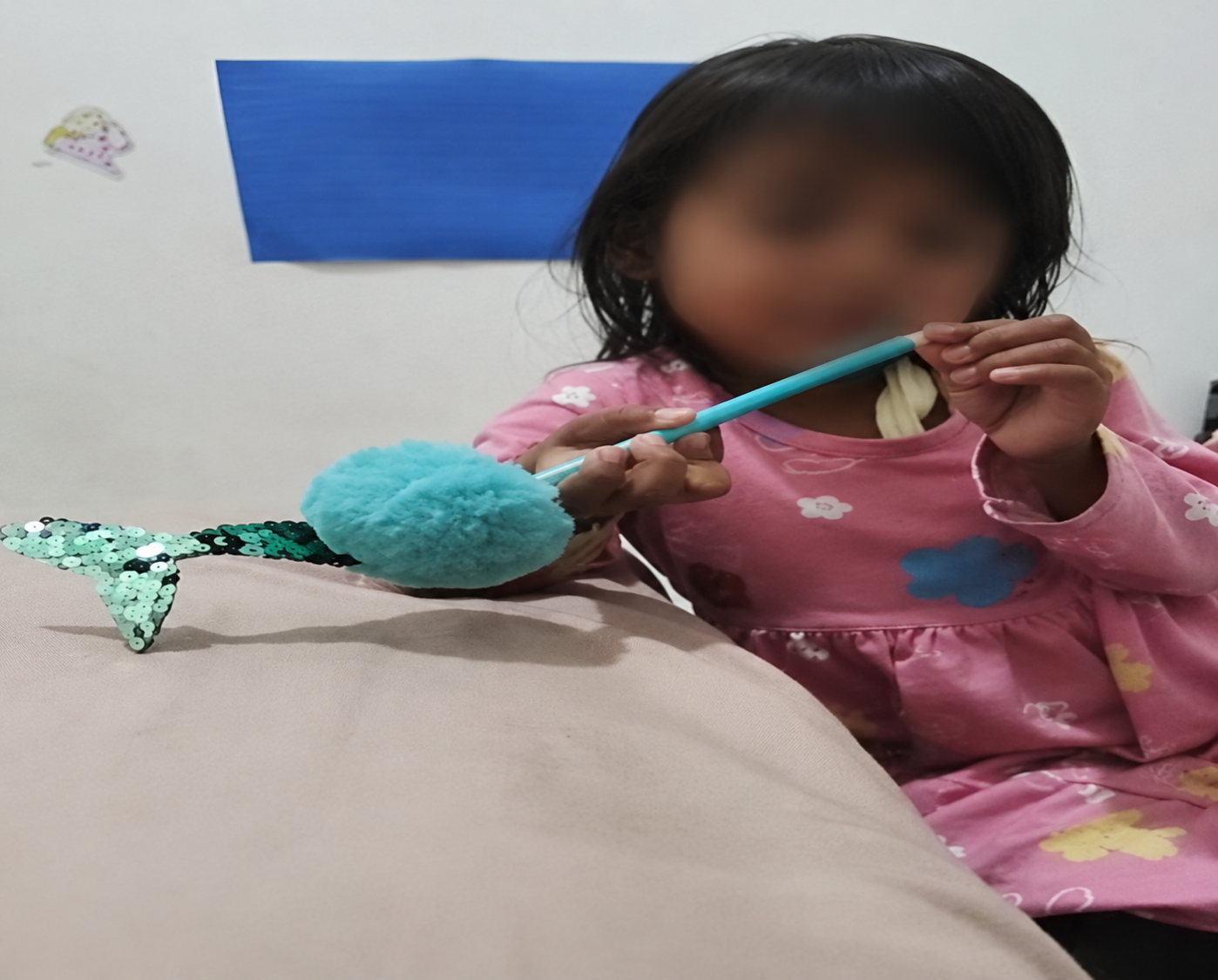
Peer-mediated language development in early childhood: A Vygotskian perspective on speech acquisition in children aged 4-5 years
- PDF | Views: 159 times | Download : 56 times
-
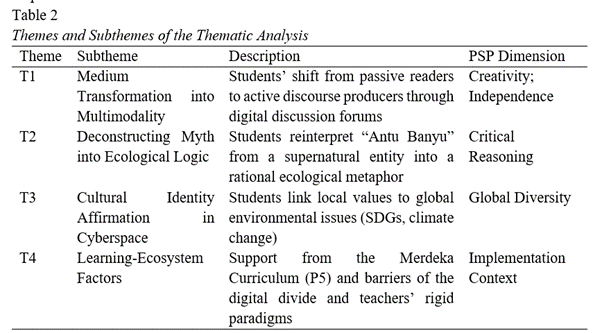
Narrative ecology of “Antu Banyu” in digital pedagogy: Internalizing the Pancasila student profile in junior high school
- PDF | Views: 115 times | Download : 39 times
-
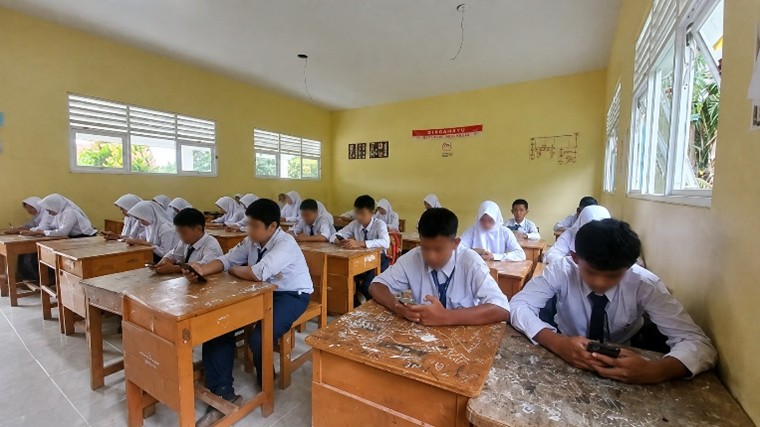
Contextual teaching and learning assisted by E-modules: Enhancing mathematical communication ability and learning motivation on the Pythagorean Theorem
- PDF | Views: 155 times | Download : 41 times
-
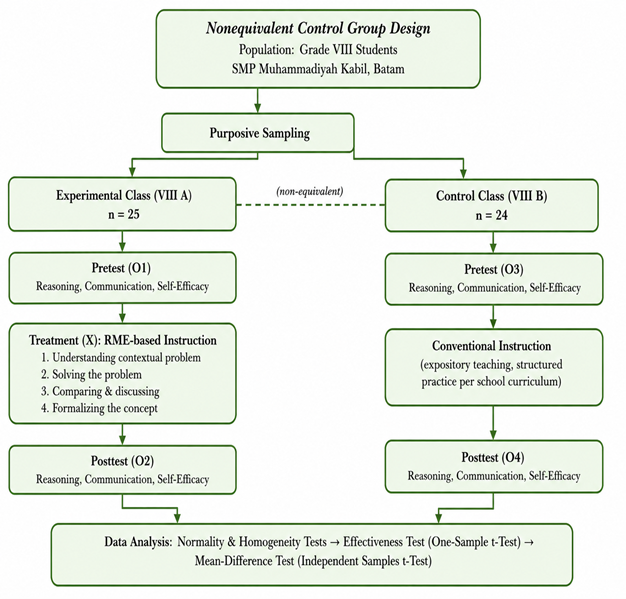
Realistic mathematics education and junior high school students' mathematical reasoning, communication, and self-efficacy: A quasi-experimental study
- PDF | Views: 117 times | Download : 58 times


