
Vol. 4 No. 1 (2026): pijme

					View Vol. 4 No. 1 (2026): pijme

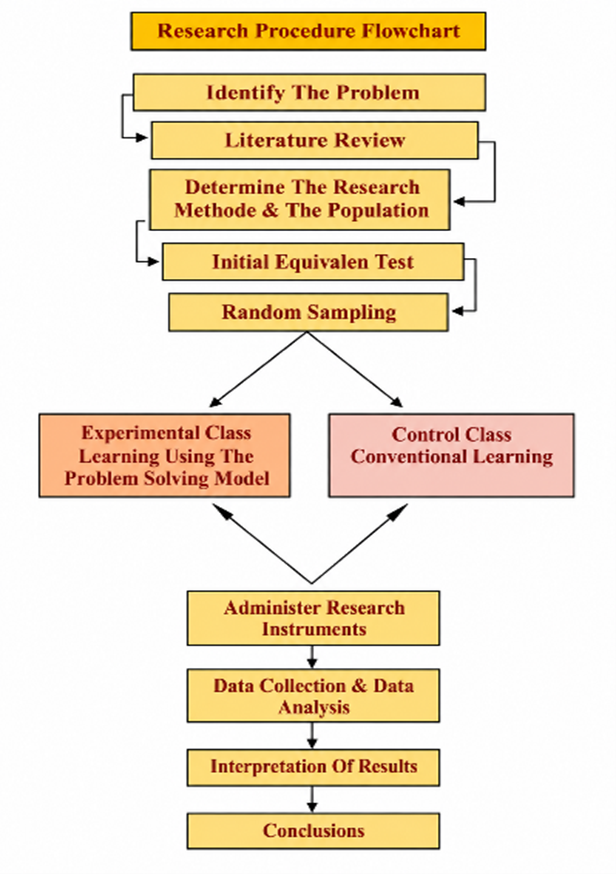
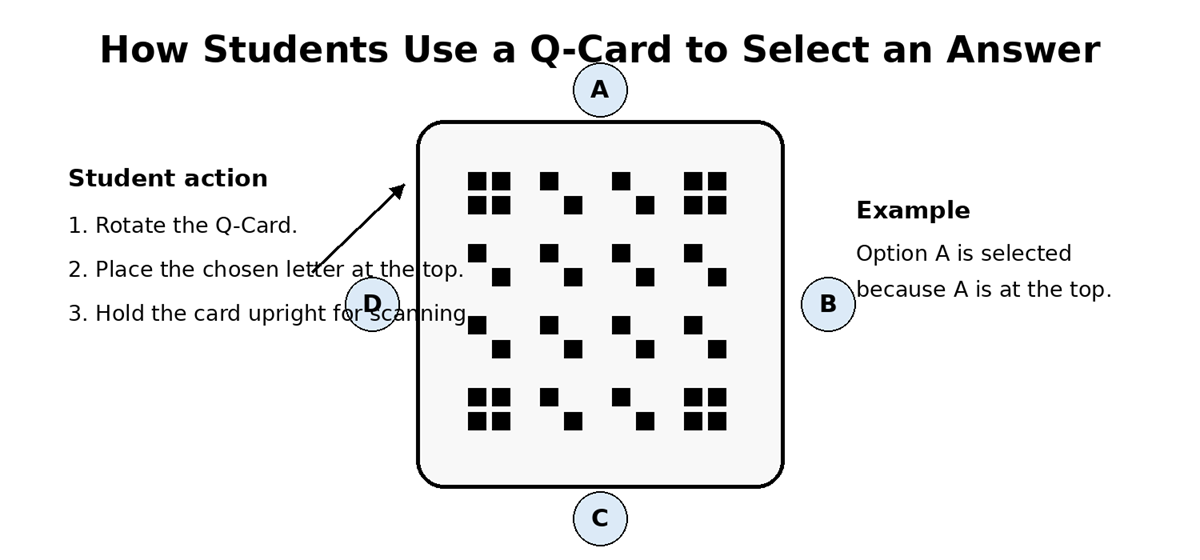
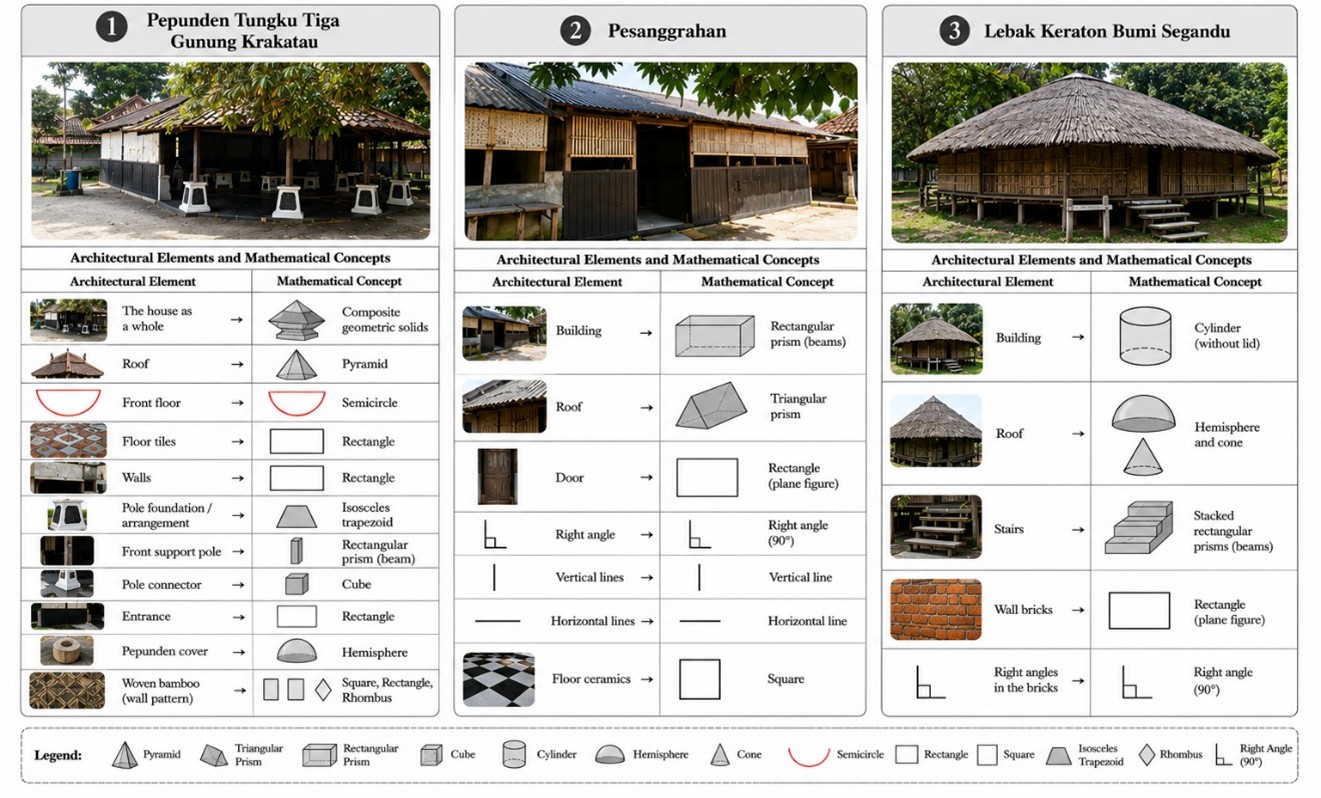
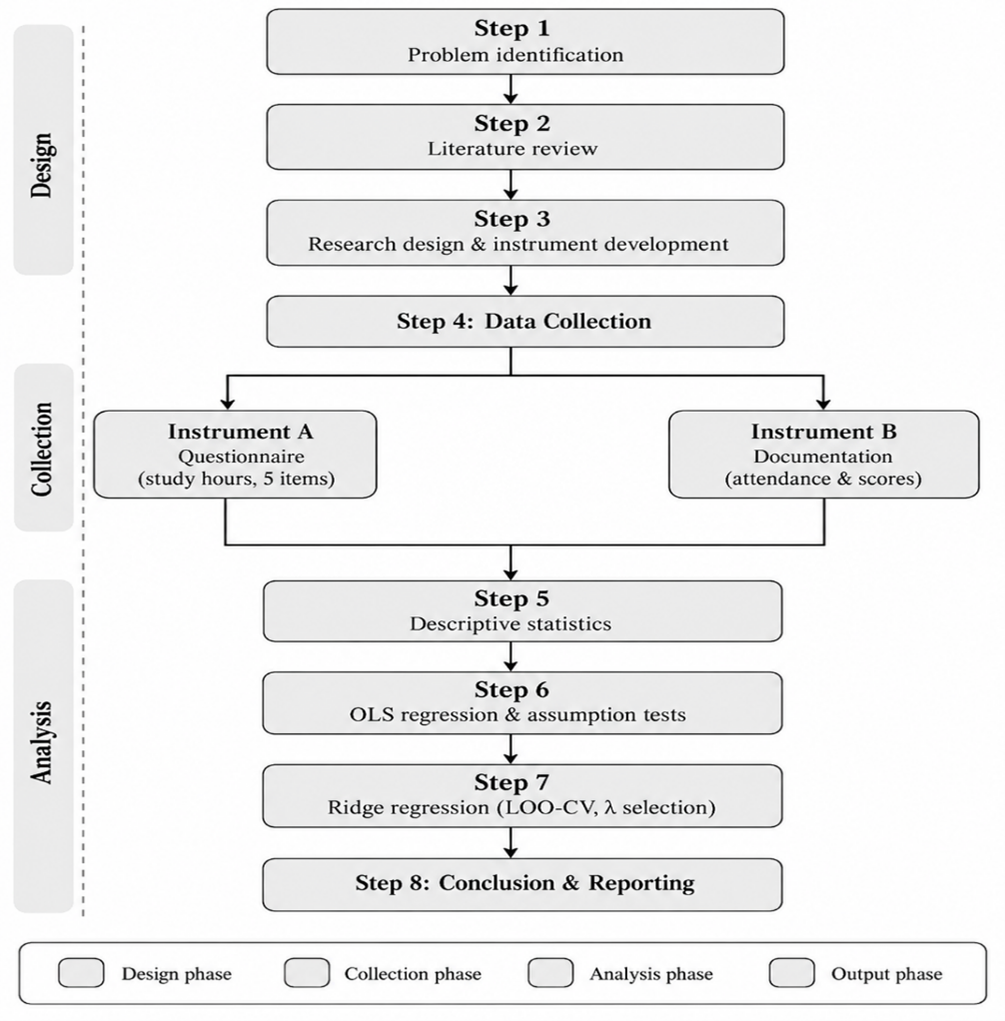
Volume 4, Issue 1 (2026) of the Polyhedron International Journal of Mathematics Education (PIJME) presents five research articles contributed by scholars from Indonesia, Malaysia, Mexico, Philippines, Saudi Arabia, and China, reflecting the journal’s continued international reach in mathematics education research. This issue highlights instructional-model interventions, technology-enhanced learning, ethnomathematics-based instructional development, and quantitative approaches to understanding factors associated with mathematics learning across secondary and higher education contexts. The articles explore a range of themes, including the application of a Problem-Solving learning model to strengthen eleventh-grade students’ self-confidence and mathematics learning outcomes, as well as a didactical design study integrating the Think-Talk-Write (TTW) strategy with GeoGebra to simultaneously develop tenth-grade students’ mathematical communication and collaborative learning. Gamified, technology-enhanced assessment is also featured through the use of Quizizz in paper mode to increase junior secondary students’ interest in learning mathematics, extending the application of gamification to learning environments with limited reliance on individual digital devices. A culturally grounded perspective is presented through the ethnographic exploration and ADDIE-based development of an ethnomathematics learning module based on the traditional house and accessories of the Dayak Bumi Segandu Indramayu Tribe, translating embedded geometric concepts into a validated instructional resource for classroom use. Complementing these instructional and developmental studies, another article investigates the effect of learning intensity on students’ statistics course scores using multiple regression with Ridge regularization. By addressing multicollinearity among predictors, the study illustrates the value of regularized regression for obtaining more stable estimates and strengthening the methodological rigor of quantitative educational research. Collectively, the five articles demonstrate the breadth of contemporary mathematics education research, spanning pedagogical innovation, digital and gamified learning, culturally responsive instructional development, and advanced quantitative analysis. Together, they offer complementary perspectives on how mathematics learning can be strengthened through effective pedagogy, meaningful use of technology and culture, and rigorous evidence-based analysis across diverse educational contexts.

Published: 2026-05-30

Articles